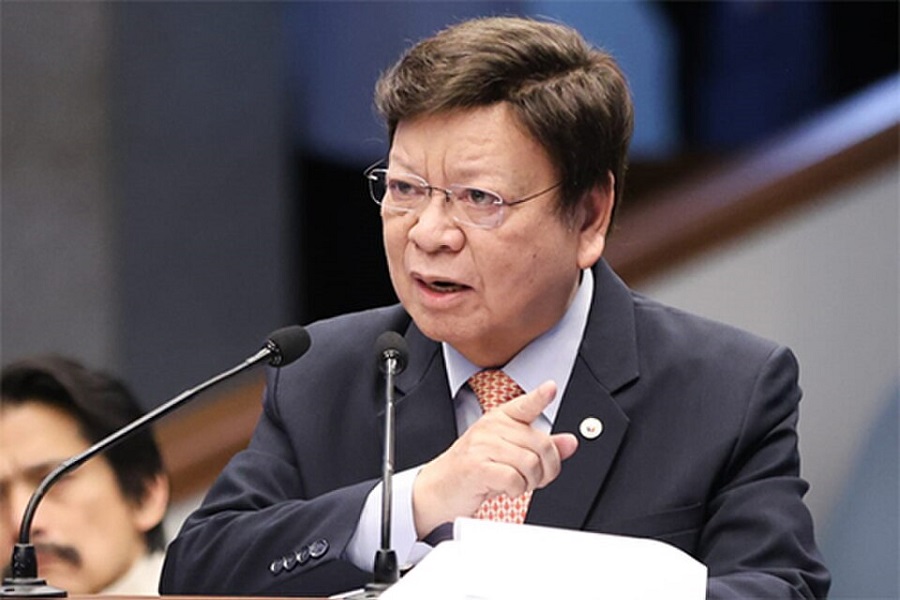
MANILA — Seventy-two-year-old Senator Rodante Marcoleta did not proceed directly to a jail cell when the Filipino lawmaker was arrested on Monday in connection with a non-bailable plunder case involving undeclared campaign funds. Instead, he was taken to the Philippine National Police General Hospital, where doctors have since identified a cluster of health woes: mild pneumonia requiring treatment and observation, elevated blood pressure, chest pains reported during the arrest, high levels of “bad” cholesterol suggestive of dyslipidemia, and pending results from a 2D echocardiogram.
The findings are not unusual in such cases. In the Philippines, the arrest of high-profile figures — particularly politicians or influential businessmen facing graft or corruption charges — frequently triggers a wave of diagnostic testing that uncovers or confirms multiple chronic conditions. What might appear as a sudden health crisis is often the result of a combination of factors: advanced age, the stresses of public life and legal battles, and a formal intake process that includes comprehensive medical evaluations at police or government facilities.
Marcoleta, who turns 73 later this month, complained of chest and nape pain and high blood pressure upon his surrender. He remains under observation at the PNP General Hospital, deemed unfit for immediate transfer to the New Quezon City Jail in Payatas, according to police health officials.
Lt. Col. Benaly Bayani of the PNP Health Service noted that while the senator is clinically stable, fluctuating blood pressure and ongoing tests necessitate continued monitoring.
This sequence echoes precedents involving other prominent defendants. Former officials arrested on plunder or related charges have gone through medical facilities, where doctors document pre-existing conditions such as hypertension, heart issues, diabetes, spinal problems, or even cancer — sometimes prompting requests for “hospital arrest” instead of standard detention. Courts remain cautious about the health of older or ailing inmates because Philippine prisons suffer from overcrowding and limited medical resources.
Experts and observers point to several reasons why such revelations are commonplace. Many politicians in the Philippines enter or remain in office well into their 70s or beyond, in a political culture that values seniority and patronage networks. Routine preventive care can be inconsistent, especially amid demanding schedules, while the intense pressures of campaigns, scandals and legal scrutiny can exacerbate underlying conditions. The arrest process itself — involving stress, custody procedures and mandatory checks — acts as a diagnostic trigger point.
Marcoleta is a lawyer and a former party-list representative with a long career in Congress. The plunder allegations against him center on roughly 75 million pesos in undeclared campaign funds. Additional charges involve alleged violations related to gifts to public officials. He maintains his innocence, a stance typical in politically charged cases.
Philippine authorities say the medical protocol is standard for ensuring detainees’ fitness for incarceration and trial. Critics sometimes view the timing and publicity of these health disclosures with skepticism, seeing them as potential delays in accountability.
Doctors and jail officials emphasize that older suspects, in particular, require careful assessment given the harsh realities of detention centers, where illness remains a leading cause of inmate deaths. Poor inmates, however, did not receive the same treatment accorded to Marcoleta.
As tests continue, including the echocardiogram, Marcoleta’s condition will determine the next steps in his legal journey. For now, the senator’s hospital bed serves as both a medical ward and a temporary holding area — a familiar interim stop for figures of his stature confronting the justice system.
About The Author