
COTABATO CITY – The appointment of Abdulrauf Macacua as the new interim Chief Minister of the Bangsamoro Autonomous Region in Muslim Mindanao (BARMM) has sparked mixed reactions from local officials and stakeholders, with some pledging their support while others express concerns over its implications.
Presidential Communications Office Undersecretary Claire Castro in radio reports across BARMM and neighboring Region 12 on Monday, March 10 confirmed Macacua’s appointment. Macacua, who previously served as the appointed governor of Maguindanao del Norte, replaces Ahod Ebrahim, the Moro Islamic Liberation Front (MILF) chairman who had been at the helm of BARMM since its establishment in 2019.
A Changing of the Guard in BARMM Leadership
Ebrahim, a key figure in the peace process that led to the creation of BARMM, steps down as Macacua—who also holds the position of chief of the Bangsamoro Islamic Armed Forces (BIAF-MILF)—takes over leadership. With Macacua’s ties to MILF’s military wing, his appointment has triggered discussions about potential shifts in the region’s political and security landscape.
Despite the abrupt transition, several local leaders have assured their support for Macacua.
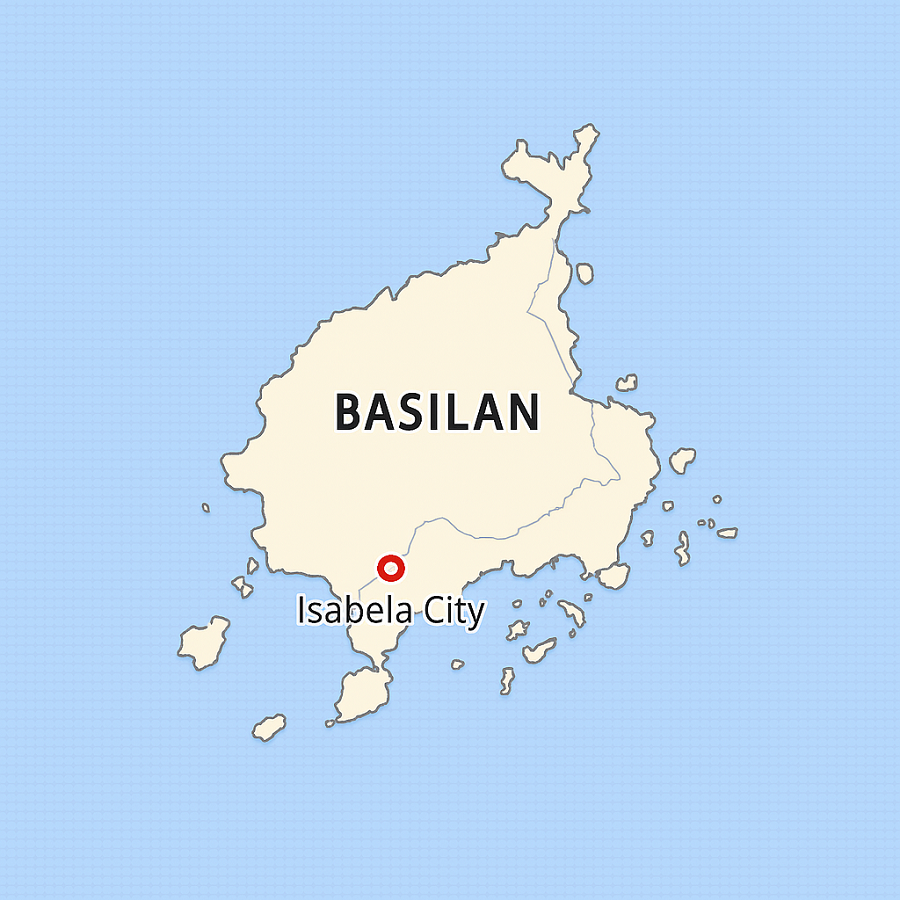
Basilan Governor Hadjiman Salliman congratulated the new Chief Minister and extended gratitude to Ebrahim for his contributions to the region.
“We thank former Chief Minister Ebrahim for his dedication and the programs he has initiated for our people. At the same time, we look forward to working with Chief Minister Macacua to continue the region’s progress,” said Salliman during a press briefing in Cotabato City.
Lamitan City Mayor Rhoderick Furigay echoed similar sentiments. He affirmed his commitment to supporting the peace, security, and development initiatives under Macacua’s leadership, just as he had with Ebrahim.
Concerns Over MILF Unity
However, not everyone is fully on board with the transition.
Skepticism lingers among civil society groups and peace advocates who worry about potential divisions within the MILF leadership. Ebrahim, as the MILF’s central figurehead, had played a crucial role in maintaining cohesion within the organization.
Some fear that replacing him with Macacua could create internal rifts that might affect governance in BARMM.
Datu Blah Sinsuat Mayor Marshall Sinsuat, however, dismissed such concerns.
The MILF’s leadership operates collectively, he said.
“The MILF central committee functions as a collegial body. I am confident that this decision was reached through consensus. We recognize and support Chief Minister Macacua’s leadership,” Sinsuat said.
Calls for Moral and Transparent Governance
Meanwhile, Lanao del Sur Governor Mamintal Adiong Jr., a strong political force in the region, urged Macacua to uphold the principle of moral governance—a core tenet of MILF’s leadership in BARMM.
“We want to see a strong, transparent, and accountable regional government under Chief Minister Macacua’s leadership. His initiatives on peace, security, and community development should be carried out in the best interest of all Bangsamoro constituents, regardless of religious and cultural backgrounds,” Adiong stated.
Adiong’s party, Serbisyong Inklusibo, Alyansang Progresibo, boasts over 700,000 members across the region, making his endorsement and expectations significant as Macacua steps into office.
A Critical Turning Point for BARMM
The transition in BARMM’s leadership marks a crucial juncture for the region, which was established following the historic 2012 Framework Agreement on the Bangsamoro and the 2014 Comprehensive Agreement on the Bangsamoro. The success of Macacua’s tenure will largely depend on his ability to balance governance, security, and unity within MILF while continuing BARMM’s development agenda.
With BARMM’s parliament comprising 80 members—including 41 from MILF and representatives from the Moro National Liberation Front—Macacua faces the challenge of rallying broad support to sustain the region’s progress.
As he assumes office, all eyes are on Macacua to see whether he can maintain the stability and momentum that Ebrahim’s leadership established or if his appointment will introduce new complexities in BARMM’s evolving political landscape.
About The Author