
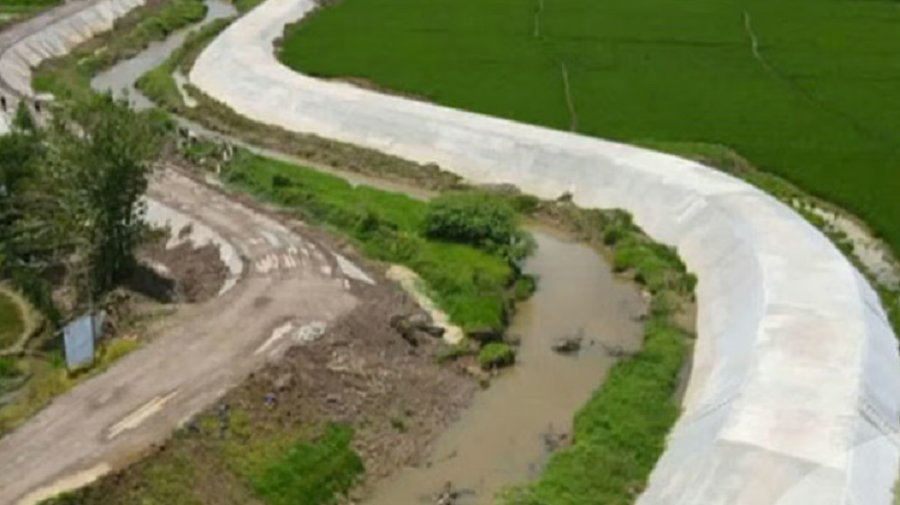
Every time floodwaters rise, so does public anger. Social media fills with a familiar lament: “Multi-billion pesos in flood control projects, yet we’re still flooded to the max!” The frustration is justified—but the equation doesn’t quite add up as people think.
The truth is, flooding is not merely an engineering failure. It’s a governance failure—a systemwide problem dressed in concrete solutions.
The Myth of Total Flood Prevention
Flood control infrastructure, from drainage systems to dikes and diversion canals, is designed to manage flooding—not eliminate it. Every project has what engineers call a “design capacity”—a threshold of rainfall or river overflow it can handle.
But in an age of climate change, those thresholds are being tested to their limits. Rainfall intensity that used to occur once every 25 years now happens every five. The system simply wasn’t built for the new normal.
So while the billions may have been spent on real infrastructure, nature has changed the rules of the game.
Where the Billions Go
Flood control spending is among the biggest line items in the Department of Public Works and Highways (DPWH) budget. The visible impact on communities, however, remains inconsistent.
Sometimes, projects are poorly designed—implemented without proper hydrological studies or without understanding how water actually flows across a watershed. In other cases, they are sound on paper but compromised by corruption, substandard materials, or political favoritism in project selection.
Add to that the lack of coordination among agencies—the DPWH builds drains, but local governments approve developments that cover natural waterways. The DENR manages forests, but upland deforestation continues. The result? The system bleeds from the headwaters to the coast.
Concrete Without Context
Infrastructure alone cannot solve flooding when everything else is broken. Garbage-choked esteros, illegal structures along riverbanks, and unregulated construction in low-lying areas all turn flood control into a losing battle.
Every canal or dike is part of a larger ecological puzzle. Without reforestation upstream and proper zoning downstream, concrete becomes a temporary patch for a deeply rooted problem.
The Trust Deficit
When people say “We’re flooded to the max despite the billions,” it’s not just disbelief in engineering—it’s disbelief in governance.
Transparency in infrastructure spending remains opaque. Communities rarely see data on where the money went, what the projects were supposed to achieve, or whether maintenance has been done.
The flood becomes a metaphor for something larger: the overflow of inefficiency and corruption.
Beyond Concrete
Flood control is necessary, but it is not sufficient. What’s needed is flood governance—a holistic approach that blends engineering with environmental management, urban planning, and climate adaptation.
Until then, the complaint will echo after every storm: “Billions spent, still flooded to the max.” And that refrain will continue to make sense—not because the projects don’t exist, but because the system that should make them work doesn’t.
About The Author


