
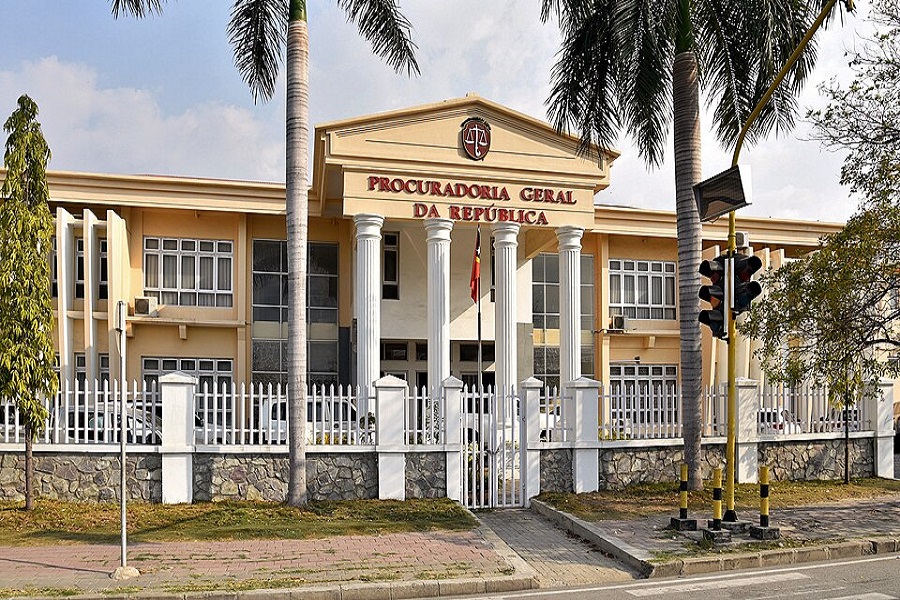
Timor-Leste has become a new focus in Southeast Asia’s fight against transnational cybercrime. The United Nations warns that organized crime syndicates are trying to set up online scam operations in the country after facing more pressure in other parts of the region.
The United Nations Office on Drugs and Crime (UNODC) says that criminal groups running large-scale online fraud are adapting to stricter law enforcement in countries like Cambodia, Myanmar, and the Philippines. They are now looking for places with weaker regulations and less ability to fight advanced cybercrime.
In 2025, the agency warned that what is happening in Timor-Leste looks similar to the early stages of cybercrime growth seen elsewhere in Southeast Asia. In those places, online scam operations eventually became multibillion-dollar criminal businesses working across borders.
Why Timor-Leste?
Timor-Leste is one of Asia’s youngest countries and has mostly focused on building its state, growing its economy, and keeping the country secure. Unlike some of its neighbors, it does not have much experience dealing with large international cybercrime groups.
UNODC says this lack of experience makes Timor-Leste vulnerable to criminal groups looking for new places to operate after police crackdowns in other countries.
In recent years, authorities in Southeast Asia have carried out major raids, breaking up many scam operations and rescuing thousands of people forced to take part in online fraud. These actions have disrupted the criminal networks, but have not stopped them. Instead, the groups have moved their operations to other countries where it is easier to operate.
UNODC calls this trend a “geographic displacement” of organized cybercrime, meaning the crime moves to new places instead of going away.
The agency also points out that countries growing quickly or changing their regulations can attract criminal groups if their oversight does not keep up with new investments and technology.
How the scam compounds operate
Modern scam compounds are not like traditional call centers. They work as highly organized criminal businesses.
Many of these operations run out of hotels, office buildings, or special compounds where hundreds or even thousands of workers commit online fraud day and night.
These groups usually target people in other countries, not local residents.
Investigators say these scams often start when criminals contact people without warning through dating apps, social media, or messaging platforms. They spend weeks or months gaining the victim’s trust before convincing them to invest in fake cryptocurrency, false investment schemes, or made-up business opportunities.
One well-known method is the “pig-butchering” scam. In this scheme, victims are slowly convinced to invest more and more money until they lose access to their funds.
Other scams include romance scams, fake job offers, business email fraud, and fake tech support services.
Technology makes these groups less dependent on local infrastructure
Modern cybercrime groups do not need much local telecommunications infrastructure to run their operations.
Investigations in Timor-Leste, including raids in the Oecusse Special Administrative Region, found that operators use satellite internet like Starlink and many foreign-issued SIM cards.
This setup lets criminal groups keep high-speed communications without depending much on local internet providers or mobile networks.
Security experts say this flexibility with technology allows these groups to set up operations in remote places that would not have worked for large-scale cyber fraud in the past.
Human trafficking drives this industry
A key feature of Southeast Asia’s scam industry is its dependence on human trafficking.
UNODC says many workers are tricked by fake ads that promise real jobs in technology, customer service, or hospitality.
Victims from countries like Indonesia, Malaysia, China, Vietnam, Thailand, and the Philippines are taken across borders. Once there, their passports are taken away and their movements are controlled.
Many are reportedly forced to meet scam targets and threatened with violence, detention, or fines if they do not comply.
International organizations estimate that in recent years, hundreds of thousands of people across Southeast Asia may have been trafficked into cyber fraud operations.
Who is behind the networks?
UNODC says the regional scam industry includes many international crime groups that often work together across borders.
Law enforcement has connected some of these operations to Chinese organized crime groups, including the 14K Triad and others. However, experts warn that the cybercrime world is decentralized, with many groups sharing resources, financial services, and trafficking networks.
Instead of being one big organization, the industry is made up of connected criminal groups that keep moving as governments step up enforcement.
Why the issue matters
The rise of cybercrime in Timor-Leste affects more than just the country itself.
These scams mainly target people in North America, Europe, China, and other Indo-Pacific regions. They generate billions of dollars in illegal profits each year and exploit trafficked workers from all over Asia.
For Timor-Leste, this problem comes at an important time as the country tries to grow its economy, attract foreign investment, and build stronger institutions.
UNODC has called on governments in the region to share intelligence better, enforce anti-money laundering laws, regulate digital financial services, and work together more to fight human trafficking and cybercrime.
The agency warns that single-country crackdowns are unlikely to solve the problem, since criminal groups have shown they can move across borders whenever needed.
Instead, experts say that ongoing cooperation across the region is needed to stop Timor-Leste from becoming the next center for cybercrime in Southeast Asia.
About The Author