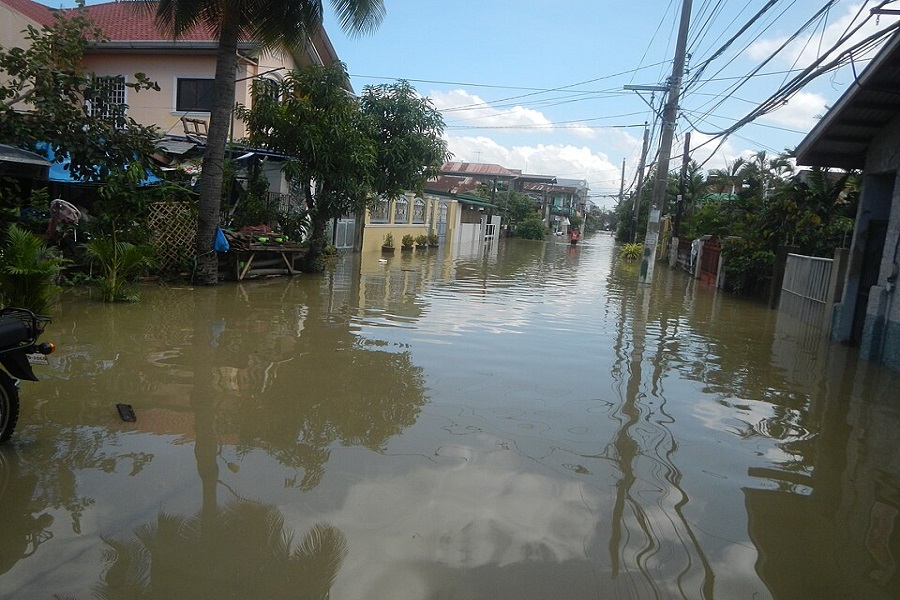
Frequent typhoons and โwalang pasokโ declarations deliver recurring blows to productivity, agriculture, and household incomes โ a chronic challenge for one of Asiaโs fastest-growing economies.
Philippines Just Hit Upper-Middle-Income Status โ What It Really Means for Filipinos
The World Bank has officially classified the Philippines as an upper-middle-income economy, a major milestone driven by years of broad-based growth. While challenges like inequality remain, the upgrade signals progress toward higher development.
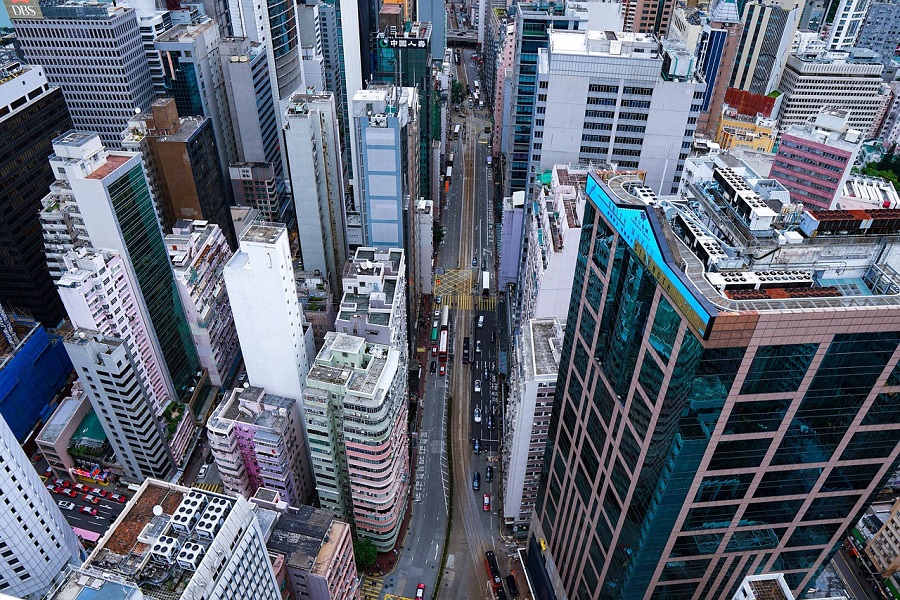
Call Centers vs. Factories: How a Single Economic Gamble Changed Southeast Asia Forever, Leaving Philippines Behind
Decades of relying on BPO jobs and worker remittances delivered stability and a rising middle class โ but at the cost of the manufacturing boom that lifted Vietnam and other Southeast Asian peers. As AI threatens outsourcing and talent continues…
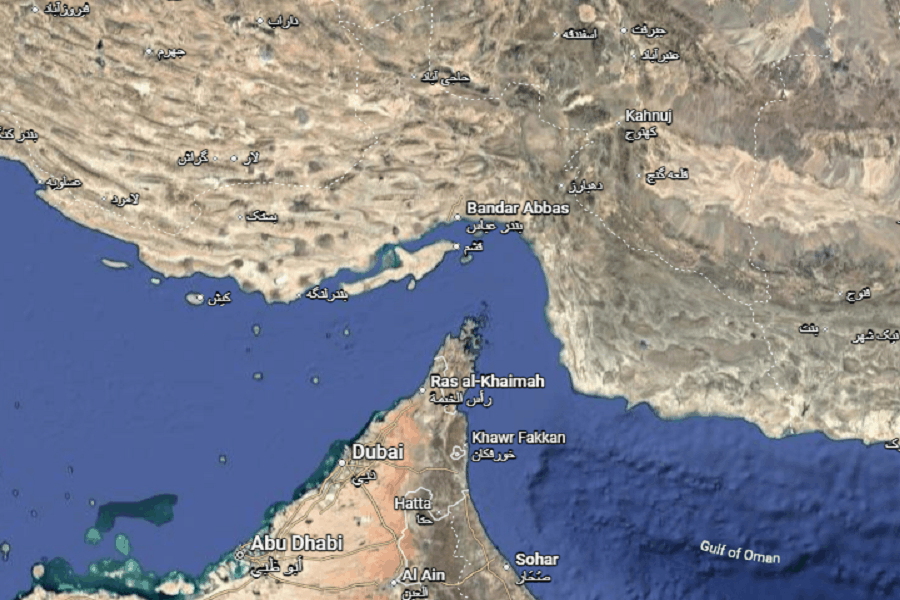
EXPLAINER: What the USโIran Conflict Means for Our Wallets
A distant war is becoming a daily burden. Hereโs how the USโIran conflict is pushing up fuel, food, and living costs for Filipinos.
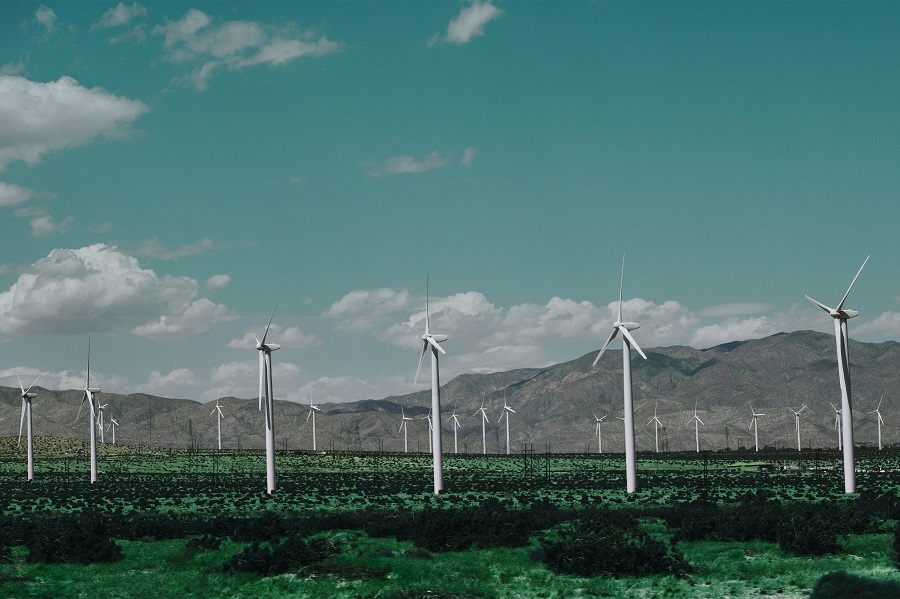
Half a Century After the Oil Shocks, Mindanao Still Pays the Price of Dependence
Decades after the oil shocks, Mindanao remains vulnerable to fuel price spikes, exposing deep inequalities and the urgent need for energy reform.
Several Ways the War in Iran Impacts the Philippines: Fuel Prices Surge, Inflation Could Rise, and More
Conflict involving Iran could ripple across the global economy. For the Philippines, the biggest risks include higher fuel prices, inflation, and potential disruptions affecting overseas Filipino workers in the Middle East.