
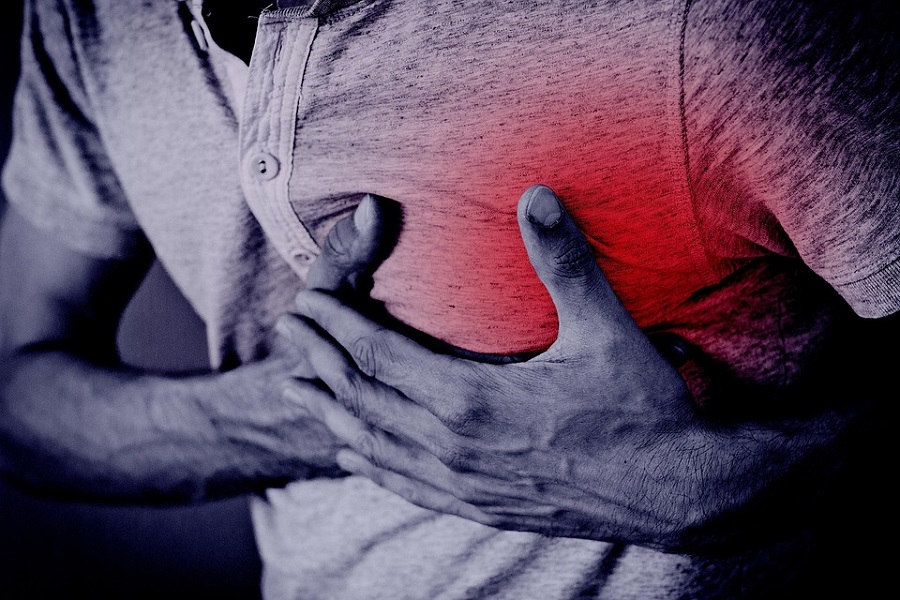
By the time a heart attack strikes or a stroke hits, the body has often been sending signals for years—quiet warnings that many of us miss or ignore.
Now, a massive international study involving more than 9 million adults from South Korea and the United States is sounding the alarm: nearly every major cardiovascular event is preceded by one or more modifiable risk factors.
Four Red Flags You Shouldn’t Ignore
The study zeroed in on four culprits: high blood pressure, high cholesterol, high blood sugar, and tobacco use. Together, these factors were present in 99% of all heart attacks, strokes, and heart failure cases tracked over the long-term study.
Even among women under 60—considered one of the lowest-risk groups—more than 95% of cardiovascular events were linked to one of these conditions.
The most common offender? Hypertension. Across both countries, over 93% of those who suffered a major cardiovascular event had high blood pressure beforehand.
Prevention Is Within Reach
Dr. Philip Greenland, a cardiologist from Northwestern University and senior author of the study, says the findings should shift the focus of prevention efforts.
“Exposure to one or more nonoptimal risk factors before these cardiovascular outcomes is nearly 100%,” he explains. “The goal now is to work harder on finding ways to control these modifiable risk factors.”
The study also challenges recent claims that heart attacks and strokes are increasingly occurring without warning.
Researchers suggest that earlier studies may have missed subtle signs or failed to detect risk levels that didn’t meet clinical thresholds.
A Wake-Up Call for Public Health
In an editorial accompanying the study, Duke University cardiologist Dr. Neha Pagidipati, who was not part of the research, emphasized the urgency of proactive health management. “We can—and must—do better,” she wrote.
The takeaway is clear: heart disease doesn’t come out of nowhere. It builds quietly, often over years, and it’s largely preventable.
Regular check-ups, lifestyle changes, and early intervention could be the key to saving millions of lives.
About The Author




2 thoughts on “The Silent Signals: What 9 Million Lives Reveal About Heart Attack and Stroke”