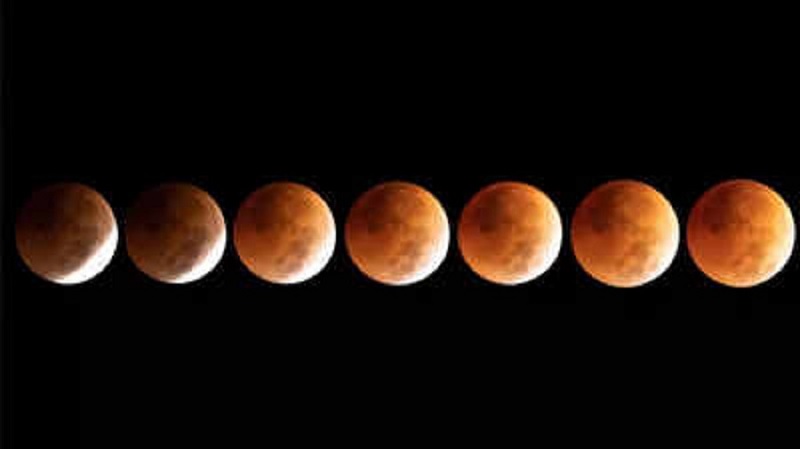
ZAMBOANGA SIBUGAY, Philippines – Millions of skywatchers across Asia, Africa, and Europe were treated to a spectacular show on Sunday night, September 7, as the Moon slipped into Earth’s shadow and transformed into a glowing red “Blood Moon.”
The rare total lunar eclipse began at around 5:30 pm GMT (1:30 am Philippine time, September 8) and lasted for more than an hour, with the peak of totality stretching to about 82 minutes.
Unlike solar eclipses, lunar eclipses are safe to view with the naked eye. All you needed was a clear sky to catch the Moon glowing a rusty red as sunlight filtered through Earth’s atmosphere.
The best views came from India, China, and parts of Africa and western Australia, where the eclipse was visible in its entirety. In Europe, the Moon rose already in eclipse, offering residents a glimpse of its dramatic entry. Skywatchers in the Americas, however, missed out entirely.
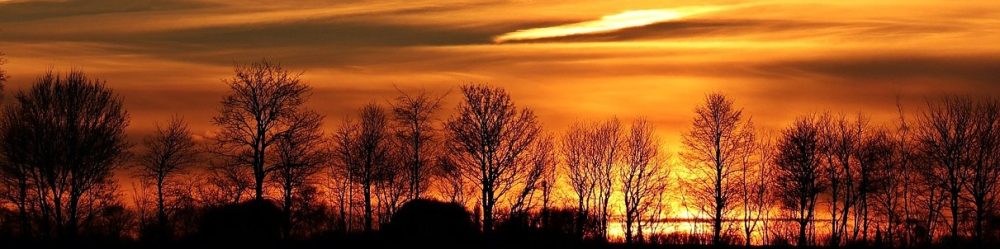
The Moon’s transformation into red is no mystery: when Earth blocks direct sunlight, only long-wavelength light – mostly red and orange – bends through the atmosphere to reach the lunar surface. This is the same scattering effect that makes sunsets appear red.
Social media lit up with photos and videos of the phenomenon, as amateur stargazers and professional astronomers alike shared snapshots of the blood-red Moon looming over city skylines and rural horizons.
Lunar eclipses aren’t particularly rare, but a total lunar eclipse visible to such a wide swath of the world is always a moment of collective awe. For many, it was a reminder that some of the best spectacles the universe offers don’t cost a cent—just a chance to look up.
About The Author


