On September 14, the people of the Bangsamoro Autonomous Region in Muslim Mindanao will face a choice that could shape the region for generations.
For the first time, Bangsamoro voters will elect their own Parliament, finally replacing the appointed Bangsamoro Transition Authority after years of transition.
It should be a moment of democratic renewal. But it should also be a test of what kind of leadership the Bangsamoro truly wants.
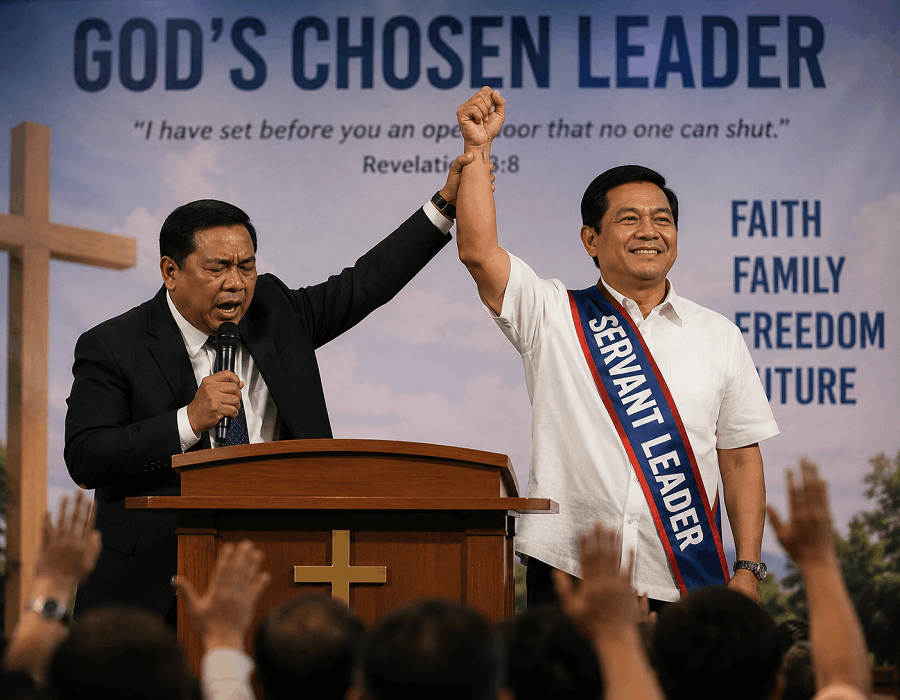
And among the candidates, one name deserves particular attention: Dr. Kadil Sinolinding Jr., better known as “Doc Jojo.”
A victory for Dr. Sinolinding would be more than another politician winning another seat. It would send a powerful message that voters are prepared to reward something increasingly rare in public life: a record of service that predates the campaign posters.
For more than three decades, Dr. Sinolinding has built his reputation not in air-conditioned political offices, but in clinics, hospitals, and some of the region’s most neglected communities.
He began his career as a municipal health officer in remote Maguindanao towns in the 1990s. There, he earned the enduring description “doctor to the barrio.” It is a title that means far more than any campaign slogan.
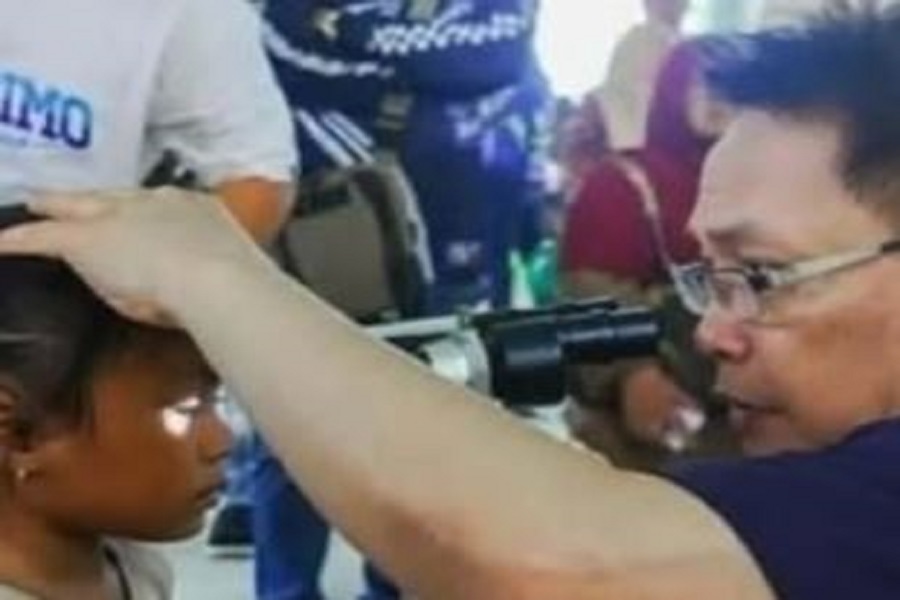
He trained in India and became an ophthalmologist, eventually restoring the sight of tens of thousands of patients through free cataract and pterygium surgeries over more than two decades.
Think about what that means.
For many of those patients, the difference was not simply between poor eyesight and clear vision. It was the difference between dependence and independence. Between being unable to work and earning a living. Between watching grandchildren grow up through a blur and actually seeing their faces.
This is the kind of public service that cannot be manufactured during an election campaign.
Dr. Sinolinding has also demonstrated that his experience extends well beyond the operating room. He served as regional health secretary of the former Autonomous Region in Muslim Mindanao and, since 2024, has served concurrently as BARMM Minister of Health.
Since 2022, he has also been a Member of the Bangsamoro Parliament.
In that role, he has authored or co-authored measures involving nutrition councils, medical scholarships, hospital construction and upgrades, senior citizens, internally displaced persons, and other pressing human development concerns.
That combination matters because the Bangsamoro does not simply need lawmakers who can make speeches about poverty. It needs lawmakers who understand what poverty looks like. It needs people who have seen patients arrive at hospitals too late, families unable to afford treatment, and children growing up without adequate nutrition, leaders who understand that autonomy sounds hollow to a mother whose child cannot get basic medical care.
Self-determination means little when people cannot see, cannot eat properly, and cannot reach a hospital when they are sick.
That is where Dr. Sinolinding’s experience becomes particularly valuable. He has walked the muddy roads of far-flung barangays and treated the indigent without asking whether they could pay. He has organized medical missions while carrying executive responsibilities. And he has spent years working with precisely the people who too often disappear from political conversations once the campaign season ends.
Those voices at the margins cannot be an afterthought for a region emerging from decades of conflict; they must be at the center of the new Parliament.
His independent candidacy for a district seat in the Special Geographic Area makes the choice even more interesting. It suggests a willingness to put service ahead of party orthodoxy — an important quality in a Parliament that will have to prove that democratic governance can deliver where transition governments could not.
The first elected Bangsamoro Parliament will face enormous expectations. It will be asked to turn autonomy into something people can actually feel in their daily lives — better hospitals, better schools, more jobs, better nutrition, protection for vulnerable communities, and, above all, a government people can trust.
That will require politicians who can bridge the distance between legislation and lived experience.
Dr. Sinolinding has spent much of his professional life doing precisely that. His candidacy also offers something badly needed by the region’s young people: an example of leadership built through competence and consistency rather than political machinery alone.
The message is simple.
You do not necessarily have to inherit power to deserve it, and earn trust by showing up. You can build a political career by first building a record of helping people. And you can enter the halls of government after years of serving those who live farthest from them.
That is why September 14 should not merely be viewed as another election. It is the Bangsamoro’s first great test of whether its new democracy will reward substance over spectacle.
The transition is ending. The real work is beginning. And voters have every right to ask each candidate a brutally simple question:
What have you actually done for the people you now want to represent?
The answer for Dr. Kadil Sinolinding Jr. is already written in decades of medical service, public health leadership, and grassroots work. Electing him would not guarantee that every problem in the Bangsamoro would suddenly disappear.
No single parliamentarian can make that promise honestly. But it would put into the new Parliament a leader who knows that government is ultimately measured not by speeches, titles or political alliances — but by whether ordinary people are healthier, safer and better able to live with dignity.
That is the kind of leadership the Bangsamoro’s first elected Parliament should seek. Not simply politicians who promise to serve. But someone who has already spent a lifetime doing it.
About The Author