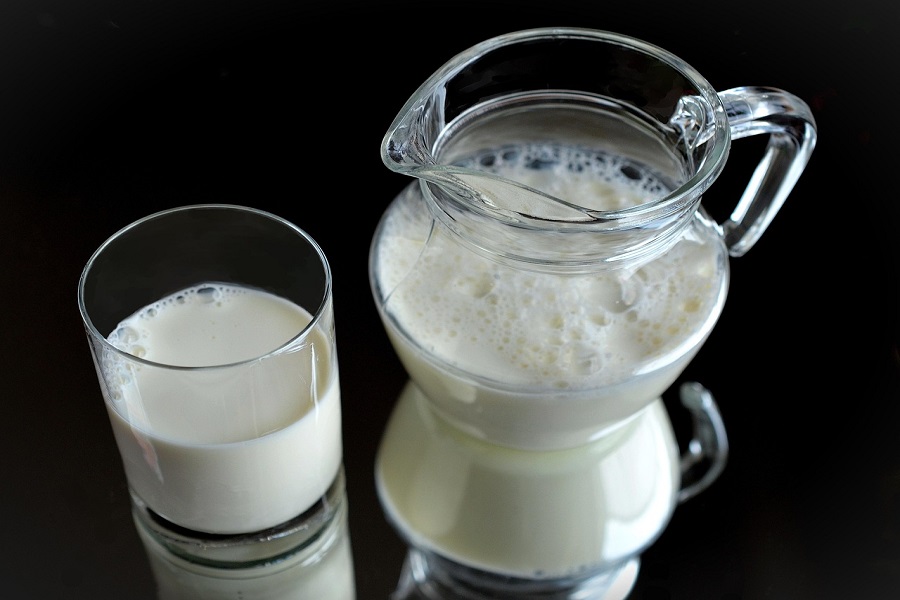
Carabao milk has been part of Filipino food traditions for generations, yet it remains a specialty product. Producers do not widely produce it, even though it offers rich flavor and high nutritional value.
Agricultural experts believe that expanding the dairy carabao industry could boost rural incomes and reduce the country’s need to import dairy products.
Here are some key facts about carabao milk.
What sets carabao milk apart?
The Philippine carabao (Bubalus bubalis), the national animal of the Philippines, produces carabao milk. It is naturally thicker and creamier than cow’s milk, and it contains more fat, protein, and calcium. Carabao milk also tastes a bit sweeter.
Because of these qualities, carabao milk is great for making dairy products like kesong puti, pastillas de leche, yogurt, and ice cream.
Why is carabao milk not produced more widely?
According to the Philippine Carabao Center, the Philippines raises about 2.71 million carabaos, but farmers use only about 1% for dairy production.
Farmers still use most carabaos for farm work or raise them for meat and breeding.. Also, dairy carabaos produce less milk than cows bred specifically for dairy, which makes it harder to produce carabao milk on a large scale.
What are the biggest challenges?
One of the industry’s biggest hurdles is the lack of cold-chain infrastructure.
Fresh carabao milk spoils quickly, but many smallholder farmers have limited access to refrigerated facilities for collection, transport, and processing. Without adequate cold storage, milk can be lost before it reaches consumers.
To reduce spoilage and increase profits, many farmers process fresh milk into products with longer shelf lives, including kesong puti, pastillas de leche and yogurt.
Why does it matter?
Expanding dairy carabao production could provide farmers with a more reliable source of income while helping strengthen the country’s food security.
Increasing local milk production could also reduce the Philippines’ dependence on imported dairy products, which continue to supply much of the domestic market.
The Philippine Carabao Center has been promoting dairy buffalo breeding, farmer training and improved milk-processing technologies to help expand the industry and improve productivity.
Why is it called “white gold”?
Supporters of the dairy industry often refer to carabao milk as the Philippines’ “white gold” because of its combination of high nutritional value, cultural importance and economic potential.
As more consumers seek locally produced and traditional foods, industry advocates believe carabao milk could play a larger role in the country’s agricultural economy if production and infrastructure continue to improve.
About The Author