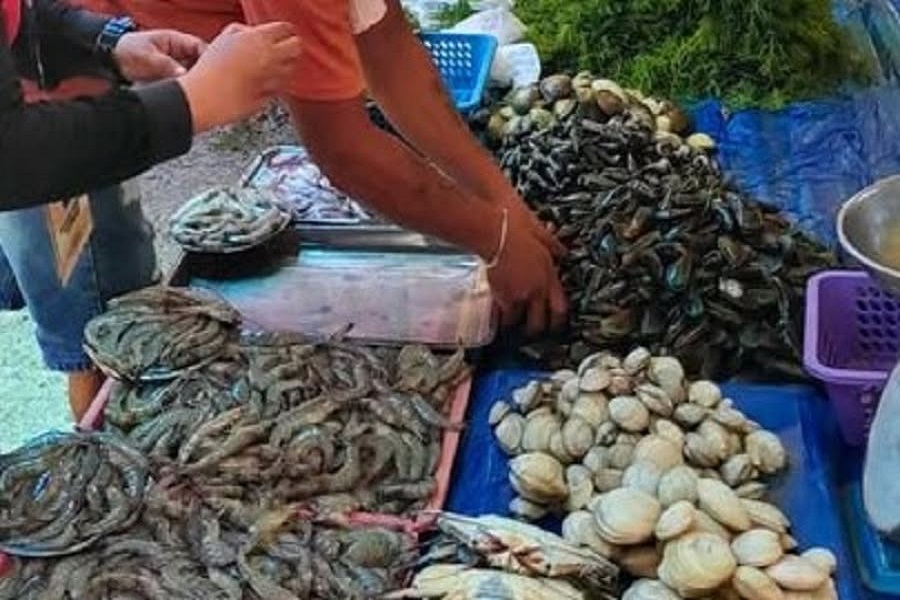
Authorities in the Zamboanga Peninsula have issued repeated warnings: Do not eat shellfish from Tantanang Bay in Zamboanga Sibugay or Dumanquillas Bay in Zamboanga del Sur. The waters there are once more tainted by toxic red tide, a phenomenon as familiar in Philippine coastal communities as the monsoon rains — and just as disruptive.
In its Shellfish Bulletin No. 16, dated June 29, 2026, the Bureau of Fisheries and Aquatic Resources advised the public to refrain from eating all types of shellfish and alamang (Acetes Sp.) from the two areas because of the presence of Red Tide.
Red tide, more precisely known as a harmful algal bloom, is not new to the Philippines. Outbreaks have recurred for decades, closing fisheries, sickening consumers and costing livelihoods. But each return prompts the same questions: Why here? Why now? And how worried should people be?
Red Tide
The term “red tide” refers to the rapid proliferation of certain microscopic algae, or phytoplankton, that can turn seawater shades of red, brown or even tea-like. In the Philippines, the primary culprit behind toxic outbreaks is Pyrodinium bahamense var. compressum, a dinoflagellate that produces potent neurotoxins called saxitoxins.
Shellfish such as mussels, oysters, clams and small shrimp-like alamang are especially vulnerable. As filter feeders, they strain large volumes of water and accumulate the toxins in their tissues without apparent harm to themselves. Fish, squid, crabs and shrimp are generally unaffected because the toxins do not concentrate in their flesh the same way.
Humans who eat contaminated shellfish can develop paralytic shellfish poisoning (PSP). Symptoms usually begin within minutes to hours: tingling or numbness around the lips and tongue, dizziness, headache, nausea and, in severe cases, muscle paralysis and respiratory failure. Without prompt medical care, PSP can be fatal.
Why Do Blooms Keep Happening?
Algal blooms are natural, but human activity often makes them worse and more frequent. Several conditions converge to trigger an outbreak:
Nutrient overload: Runoff from agriculture (fertilizers), untreated sewage, and river discharges feed the algae with nitrogen and phosphorus.
Weather patterns: Heavy rains followed by warm, calm, sunny conditions create ideal growth environments. Enclosed or semi-enclosed bays like Tantanang and Dumanquillas trap nutrients and algae cells, allowing populations to explode.
Oceanographic factors: Water temperature, salinity, currents and the presence of dormant “cyst” stages of the algae on the seafloor all play roles.
Climate change and coastal development are suspected of lengthening bloom seasons and expanding affected areas, though scientists continue to study the precise links in Philippine waters.
These Zamboanga bays have become recurring hotspots. Their geography and proximity to river systems and human settlements make them particularly susceptible when conditions align.
The Human Toll
A red tide closure is an immediate economic blow for fishing communities. Shellfish harvesting provides daily income for many families; when bans are imposed, that income vanishes, sometimes for months. Markets lose trust, tourism can suffer, and pressure mounts on local governments to provide relief.
Public health officials face the challenge of communicating risk clearly without causing panic. Many residents, especially in coastal areas where seafood is a dietary staple and economic necessity, continue to harvest and consume local shellfish despite warnings — sometimes out of necessity, sometimes out of skepticism or habit.
What Is Safe — and What Isn’t?
According to BFAR, which regularly tests shellfish and seawater:
Avoid all shellfish (mussels, oysters, clams, alamang) from affected waters until officials declare them safe.
Fish, squid, shrimp, and crabs from the same areas are usually safe if thoroughly cleaned, with guts and gills removed.
Cooking does not destroy the saxitoxins; they are heat-stable.
BFAR issues regular Shellfish Bulletins with updated lists of affected and cleared areas. Local governments and health departments also disseminate advisories.
Take Aways
Red tide is a symptom of larger coastal challenges: pollution, poor wastewater management, rapid population growth, and changing climate. Addressing it effectively requires more than temporary harvest bans. Improved sewage treatment, regulated fertilizer use, better monitoring systems, and diversified livelihoods for fishing communities are all part of long-term solutions.
The message from scientists and officials remains straightforward and urgent: When red tide returns — and it will — respect the warnings. A single meal of toxic shellfish is not worth the risk.
Stay informed through official BFAR and local government channels, and support efforts to reduce the pollution that fuels these blooms. In Philippine waters, red tide is not just a natural hazard — it is a recurring reminder of how closely human activity and marine health are intertwined.
About The Author