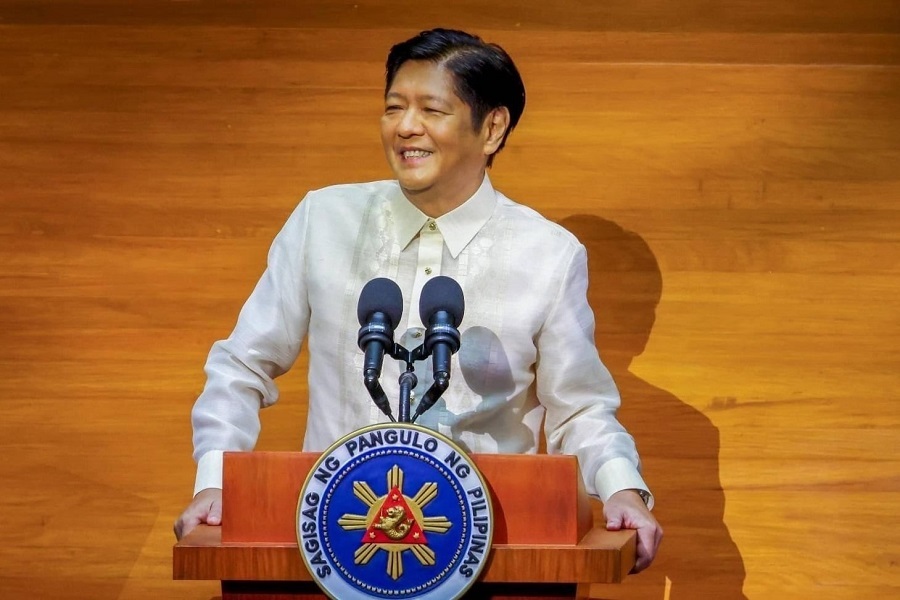
DAVAO CITY, Philippines — President Ferdinand Marcos Jr. on Wednesday, October 14, reaffirmed the national government’s respect for the Bangsamoro region’s autonomy and democratic institutions after a 46-member majority coalition formed in the newly elected Bangsamoro Parliament.
The coalition was formed at a gathering in Davao City attended by lawmakers elected in the region’s first parliamentary elections on September 14, a milestone in the Bangsamoro people’s pursuit of self-governance and lasting peace.
Key Takeaways
- Marcos reaffirms BARMM autonomy. President Ferdinand Marcos Jr. pledged to respect the Bangsamoro region’s autonomy and democratic institutions.
- 46-member majority coalition formed. Newly elected Bangsamoro Parliament members formed a majority bloc during a gathering in Davao City on October 14.
- Coalition seeks to establish a new regional government. The bloc aims to form a “Government of the Day” through the appropriate parliamentary processes.
- Historic parliamentary elections mark a transition. The September 14 elections were the first parliamentary elections in the Bangsamoro Autonomous Region in Muslim Mindanao (BARMM), advancing its system of self-governance.
- Macacua’s interim tenure nears its end. Interim Chief Minister Abdulraof Macacua’s tenure is scheduled to end on October 30, making the parliamentary leadership process especially significant.
- Peace and self-determination remain central. Marcos emphasized that the Bangsamoro people’s right to genuine autonomy and self-government remains at the heart of the peace process.
- Next step: organize the regional leadership. The newly elected parliament members must proceed through parliamentary processes to organize the leadership and establish the region’s next government.
In a statement, Marcos said the national government recognized the coalition’s goal of establishing a “Government of the Day” in the Bangsamoro Autonomous Region in Muslim Mindanao (BARMM) through appropriate parliamentary processes.
He also congratulated the newly elected members of parliament, describing the inaugural elections as a historic step toward strengthening self-government in the region. “The long-standing aspiration of the Bangsamoro people for genuine autonomy and the right to govern themselves remains at the heart of the Bangsamoro peace process,” Marcos said, according to the statement.
The president’s remarks emphasized the national government’s position that the formation of the regional government should be guided by the Bangsamoro Parliament’s democratic procedures and institutions.
The 46-member coalition is a significant development in the region’s political transition, as elected lawmakers begin organizing the leadership of the 80-member parliament and working toward the formation of a new regional administration.
Interim Chief Minister Abdulraof Macacua currently leads the Bangsamoro government. Appointed to the post in March 2025, Macacua won a parliamentary seat representing communities in Cotabato City and neighboring areas of Maguindanao del Norte province in the September 14 elections.
His interim tenure is scheduled to end on October 30, adding urgency to the parliamentary process for organizing the region’s next government.
The majority coalition formed as the Bangsamoro region continues its transition toward an elected parliamentary system under the peace framework that established its autonomous government.
Marcos reiterated the national government’s commitment to the Bangsamoro peace process, democratic governance, and inclusive development as the region moves forward with self-rule. “The national government will continue to support a strong, autonomous, and peaceful Bangsamoro,” Marcos said.
The coalition’s formation marks an important step in that transition, though the establishment of the Government of the Day will depend on the parliamentary process for determining the region’s leadership.
About The Author